Video
The way we grow and eat food is straining the planet, and games can help change that. From classrooms to studios to your living room, Games for Change and WFP invite everyone to learn what makes food systems resilient, bring them to life in your community, and help restore land and food security where it's needed most.
By 2050, the planet will be home to nearly 10 billion people, and feeding them through our current farming methods will push nature past its limits. As the planet degrades, growing food only gets harder. Our foodprint in nature is real, and it's growing:
of all greenhouse gas emissions are related to food production
of our fresh water is used for food production
of once-fertile land is now too degraded to be used for farming
of crops depend on pollinators, which are in decline even in protected areas
of all food produced is lost or wasted, with all the water and energy needed to produce it
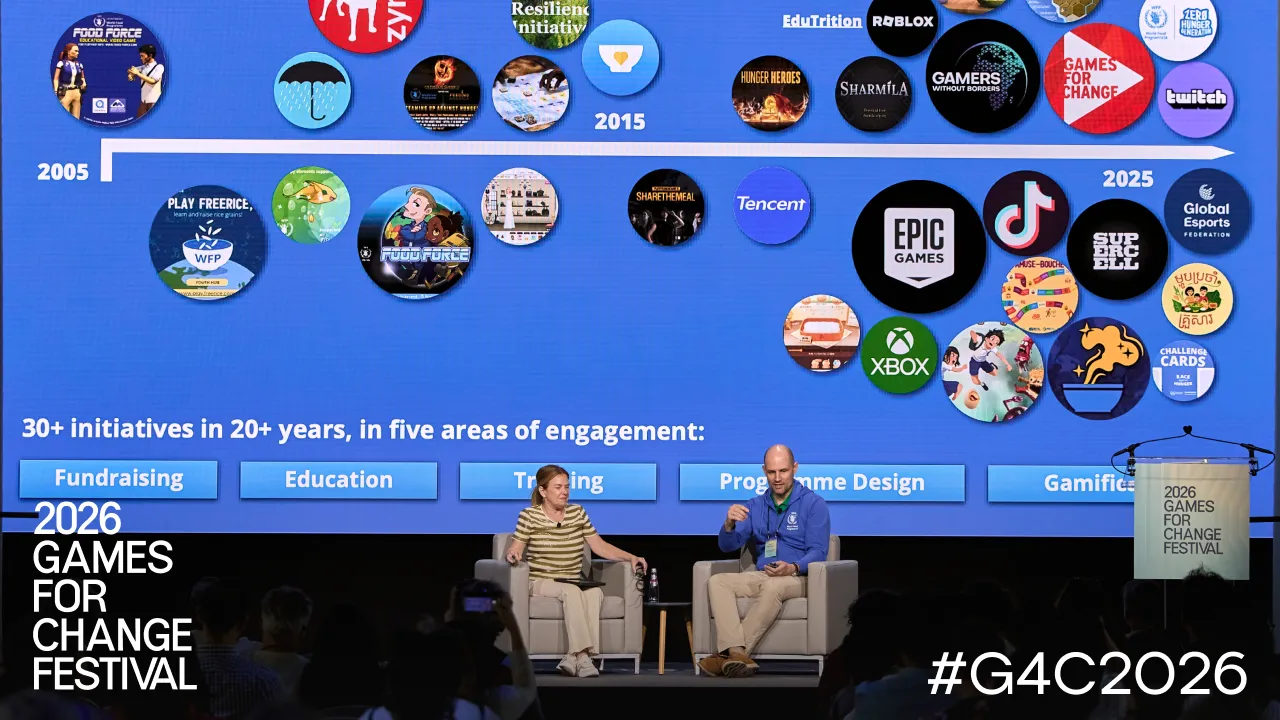
With more than 3 billion people playing games worldwide, we can mobilize a community of students, educators, developers, and creators to spread awareness about the food system and help change it. Now, we're inviting every player to join this collective mission and tell their impact story.
Become part of #GenerationRestoration and help us plant new hope for people and the planet.
Students and game designers learn the food system from the inside. They see how food and nature depend on each other and what it takes to build a system that works for both. They learn through games on these themes and by designing their own.
Participants put what they learn to work on real food system challenges close to home. That can mean cutting food waste, rethinking where their cafeteria sources its meals, restoring degraded land, planting a backyard garden, or regreening their community. Through those micro-projects, they become part of a global community of food system transformers.
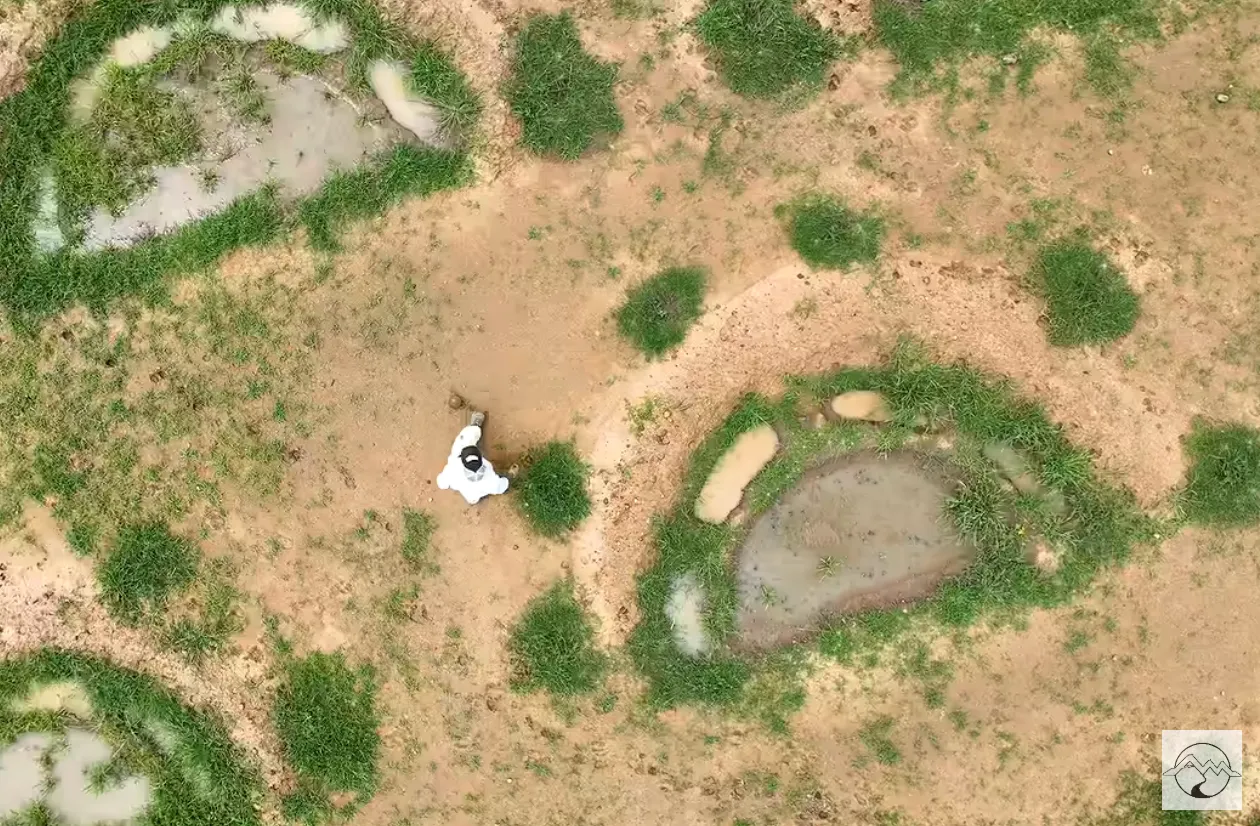
The campaign is inviting all participants to join the ultimate challenge: Helping WFP plant thousands of half-moons where the world needs them most. Half-moons are a regenerative technique that restores access to water and brings dead ground back into productive use. A restored ecosystem also restores people's food security and reduces humanitarian needs.
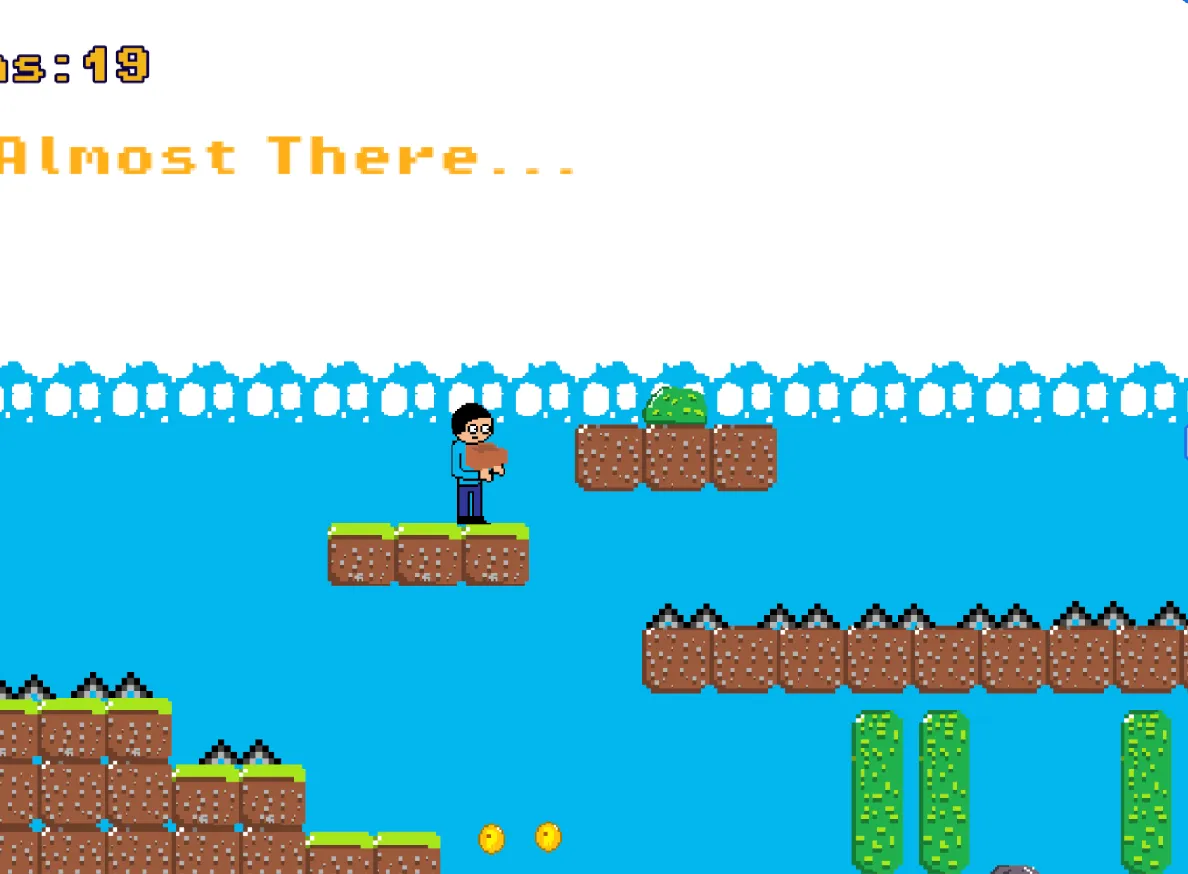
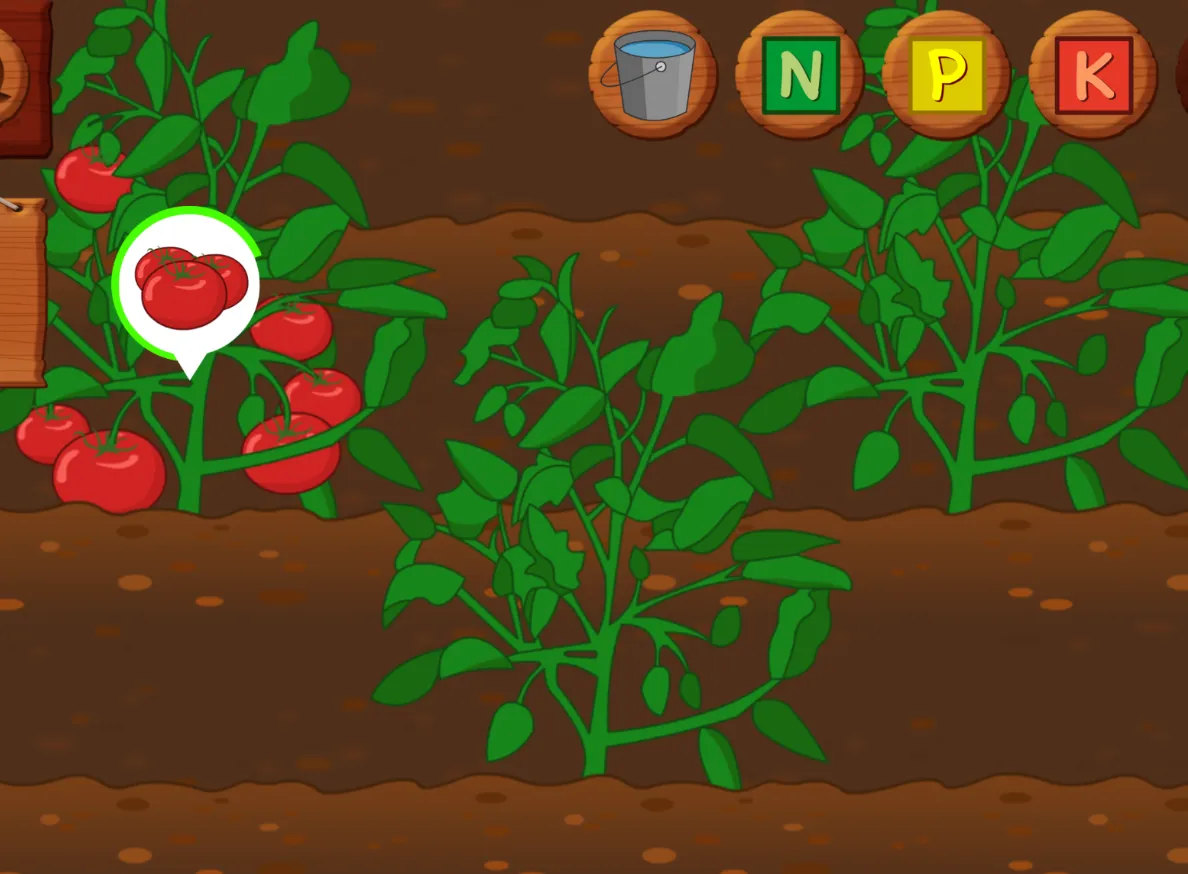
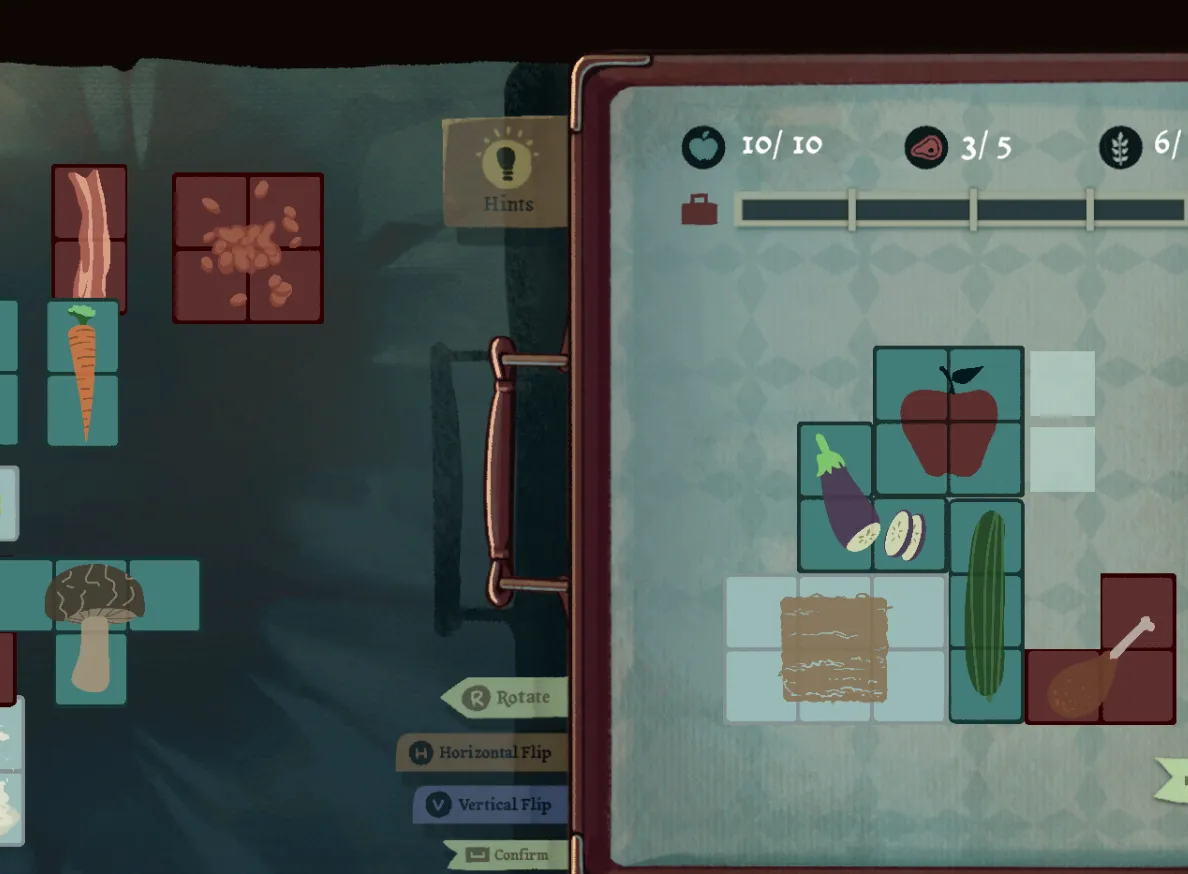
Design or play a game about the food system through the G4C Student Challenge and other game jams on the theme.
Join the Student ChallengeTake on the theme at the Global Game Jam or enter a design challenge of your choice built around the same theme.
Find a food system jamBuild a campaign around food security and nature, or add a food system storyline to a game in development. Invite your players and followers to learn more and take action.
Engage your players and followersTeam up with classmates or co-workers and take on a food system challenge where you are. Make it a school project, a volunteering or community day. Share what you accomplished on social media with #GameTheFoodSystem. We'll feature a selection here.
Improve the food system in your neighborhoodSpread the word, organize a fundraiser, or donate to WFP's flagship ecosystem restoration projects in the world's food security hot spots. Share the campaign with your community and join #GenerationRestoration.
Support WFP's ecosystem restoration projects
Since 2004, Games for Change (G4C) has empowered game creators and innovators to drive real-world change through games and immersive media, helping people learn, improve their communities, and make the world a better place. G4C partners with technology and gaming companies, nonprofits, foundations, and government agencies to run world-class events, public arcades, design challenges, and youth programs. For more information, visit gamesforchange.org.

The United Nations World Food Programme is the world's largest humanitarian organization saving lives in emergencies and using food assistance to build a pathway to peace, stability and prosperity for people recovering from conflict, disasters and the impact of weather extremes.